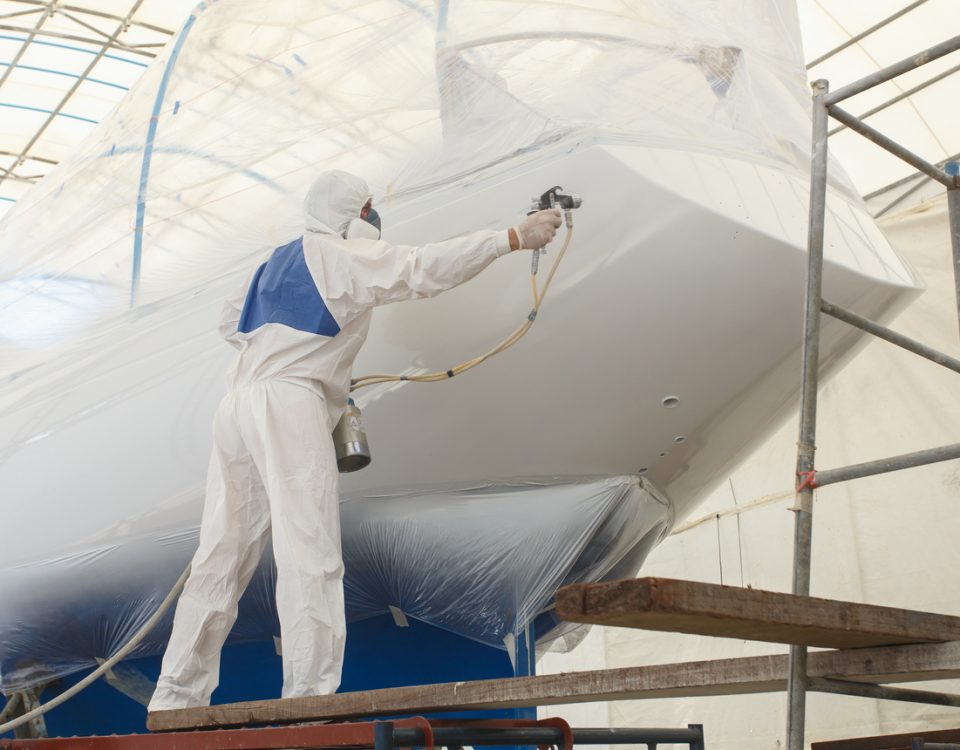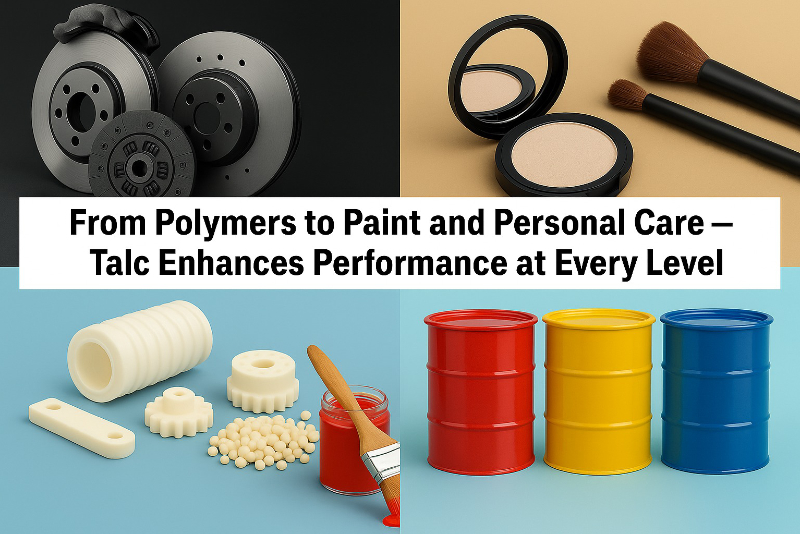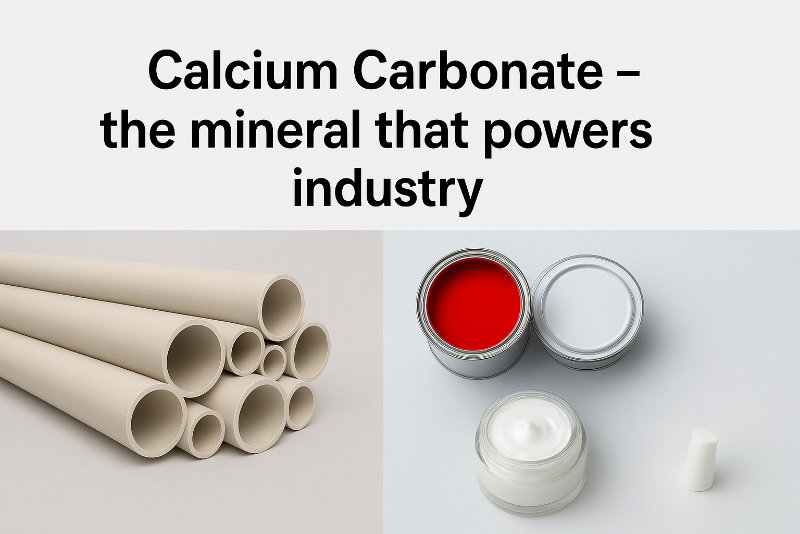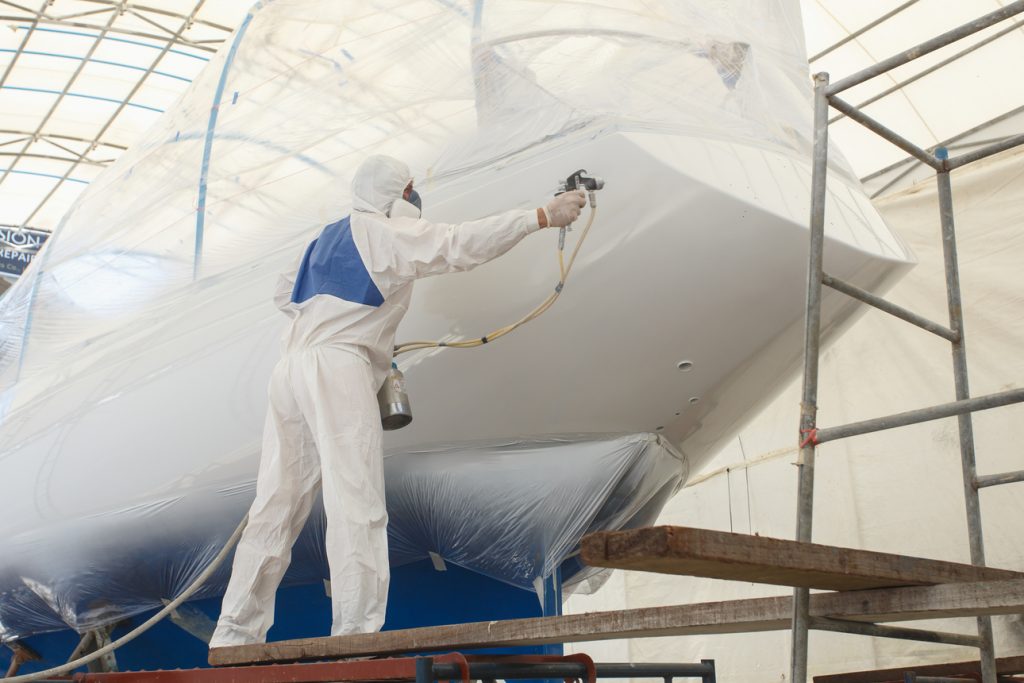

In the contemporary paint and coatings industry, formulators are expected to deliver coatings that combine durability, ease of application, visual consistency, and cost efficiency—often within increasingly tight formulation windows. Among the wide range of mineral extenders available, talc continues to play a critical functional role due to its unique physical structure and surface characteristics.
Talc’s lamellar (plate-like) morphology, combined with its natural softness, hydrophobicity, and chemical inertness, allows it to influence both wet-state application behaviour and dry-film performance. When correctly selected and incorporated, talc enhances film durability, improves workability for applicators, and contributes to long term coating stability across decorative, industrial, and protective paint systems.
This article examines, from a coating-science standpoint, how talc strengthens paint formulations—from application rheology to in-service durability.